Curtain length is where practicality and aesthetics meet. It affects how tall the room feels, how easy the treatment is to maintain, and whether the window feels intentional in the wider composition.
When clients are unsure, we walk through length choices in relation to the room instead of treating them as isolated measurements. That shift usually makes the right answer obvious.
What to know first
- Use sill-length curtains where the window is interrupted by cabinetry, radiators, or built-in seating.
- Apron-length curtains work when you want more softness than a cafe curtain without reaching the floor.
- Floor-length remains the most universal and elevated option for bedrooms and main living spaces.
- A short puddle can add romance, but only in rooms where maintenance and traffic are low.
| Step | What to record | Why it matters |
|---|---|---|
| 1. Choose hardware | Track or rod and the point where fabric hangs | The top of the window frame is not the fabric starting point. |
| 2. Measure three positions | Left, center, and right from that point to the floor | A sloping floor changes clearance. |
| 3. Choose the hem | For a 100-inch drop, a 0.5-inch float gives 99.5 inches | This example assumes the same fabric hanging point; account for rings and hooks. |
| 4. Confirm before ordering | Finished fabric length, heading, and fitting allowances | Do not substitute a rough opening measurement for a final order. |
Sill length: practical and compact
Sill-length curtains stop right at or just above the window sill. They work best when anything longer would interfere with function, such as in kitchens, laundry rooms, or children’s rooms with deep furniture below the window.
Because they expose more wall, they feel lighter and less formal. The tradeoff is that they deliver less of the vertical drama that makes custom drapery feel elevated.
Compare floating, floor-kissing, and puddled hemsExplore measured custom curtains
Apron length: a softer middle ground
Apron-length curtains typically fall a few inches below the sill. This is a helpful option when you want a little more coverage and softness without going all the way to the floor.
We sometimes use this length in casual breakfast areas or on windows that sit above radiators and other obstructions.
Floor length: the studio favorite
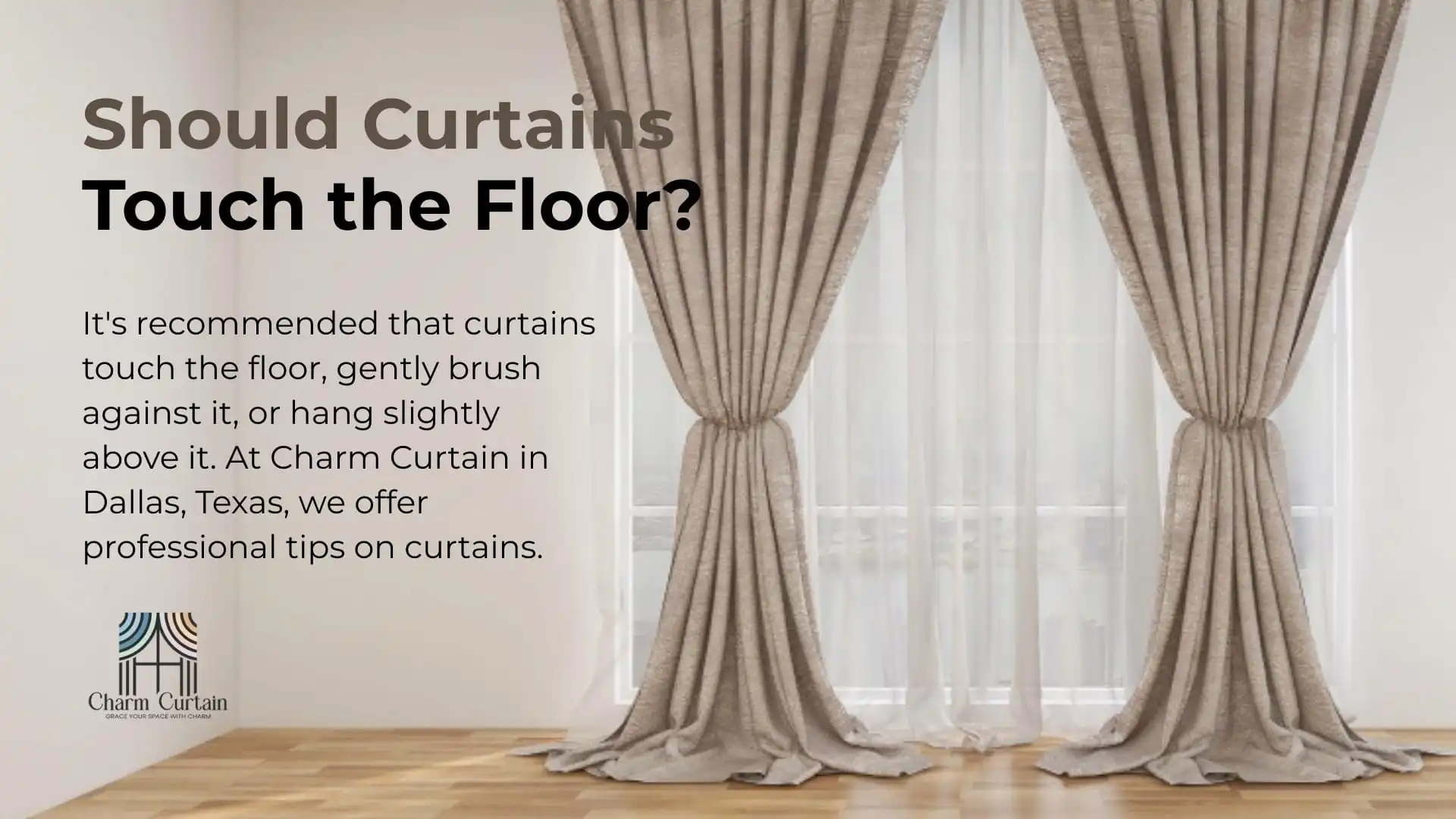
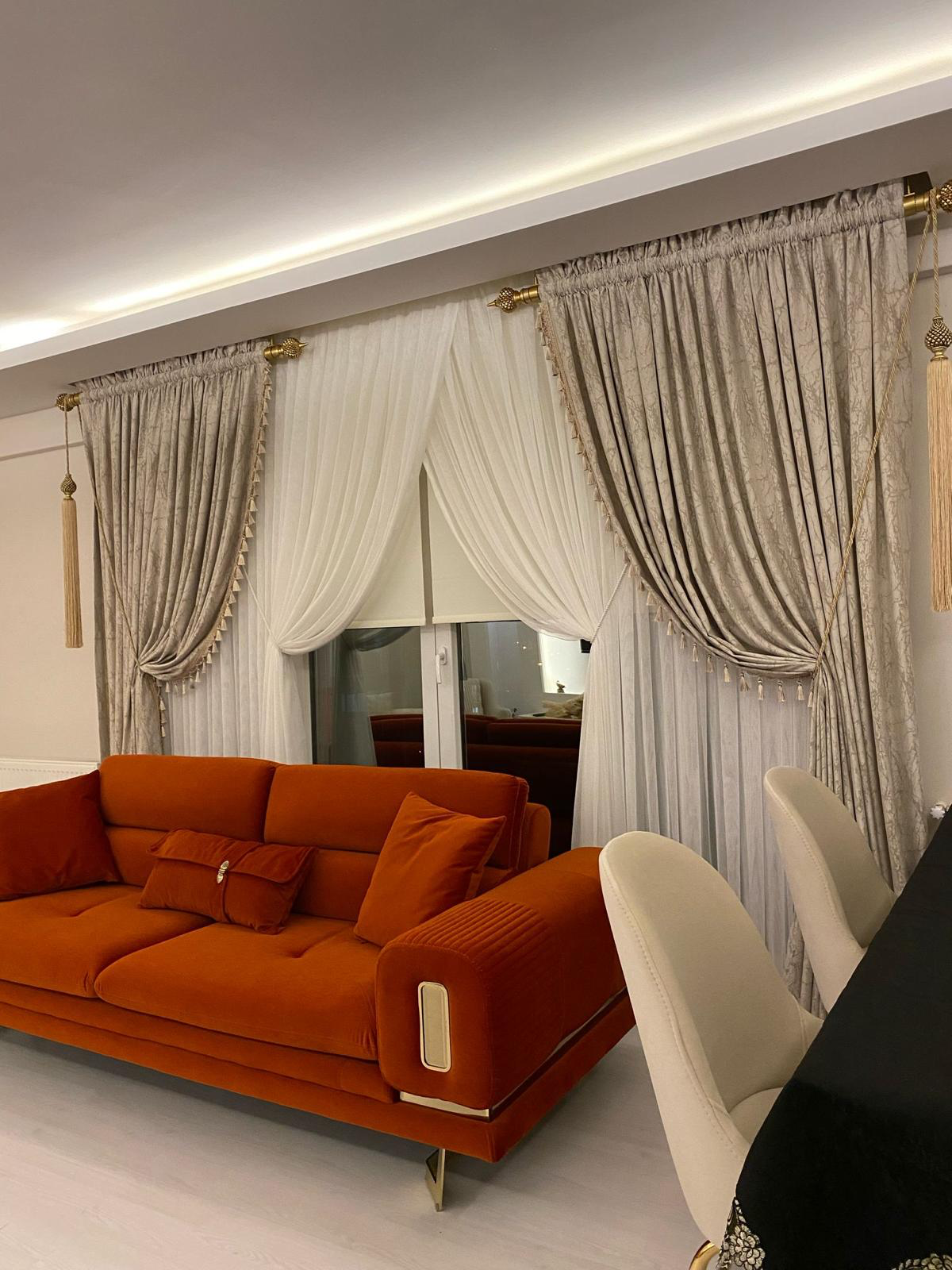
Floor-length curtains generally end right at the floor or float slightly above it. This is the length we recommend most because it flatters the widest variety of rooms and always feels considered.
It also allows the mounting height to do more visual work. When the rod sits high and wide, the room instantly feels taller and the glass feels more generous.
- Best for living rooms, bedrooms, dining rooms, and offices.
- Pairs well with sheers, blackout linings, and decorative side panels.
- Works across modern, transitional, and traditional interiors.
Puddled length: elegant but selective
Puddled curtains extend beyond the floor to create extra fabric at the base. This can look romantic and editorial, especially with linen, velvet, or other fluid textiles.
The look requires commitment, though. If the room sees a lot of traffic or the panels need frequent opening and closing, puddling can become more frustrating than beautiful.
A great curtain length should support the room at rest and in motion, not just in the first impression.
How to measure correctly before ordering
Measure only after deciding how the hardware will be installed. The rod height, ring drop, and hem style all affect the finished length, and each one changes the final number.
We also recommend checking the floor in three places, especially in older homes. Small inconsistencies are common, and they matter more than most people expect once a long hem is in place.
- Finalize hardware position first.
- Measure left, center, and right from hardware to floor.
- Add or subtract for a float, kiss, break, or puddle based on the style you want.
We can measure, sample, and style the room with you.
Our in-home consultations across Texas help you decide fabric, lining, hardware, and final drop with the room in front of us.
What curtain length looks the most expensive?
Full-length curtains that lightly kiss the floor usually look the most expensive because they feel custom, balanced, and timeless.
Can I use the same curtain length in every room?
You can, but it is not always ideal. Utility spaces often benefit from shorter lengths while main rooms nearly always look better with floor-length treatments.
How high should the rod be for long curtains?
Usually several inches above the frame, and sometimes much higher depending on ceiling height. The goal is to create lift without making the proportions feel strained.